Use Cases

Real problems. Real infrastructure.

Terroir serves producers who need to prove authenticity, certifiers who need to enforce standards, and buyers who need to verify trust, across borders, commodities, and regulatory regimes.

Outcome Map

Enterprise trust outcomes

  • Verified origin at export
  • Issuer-grade audit trails
  • Faster customs resolution
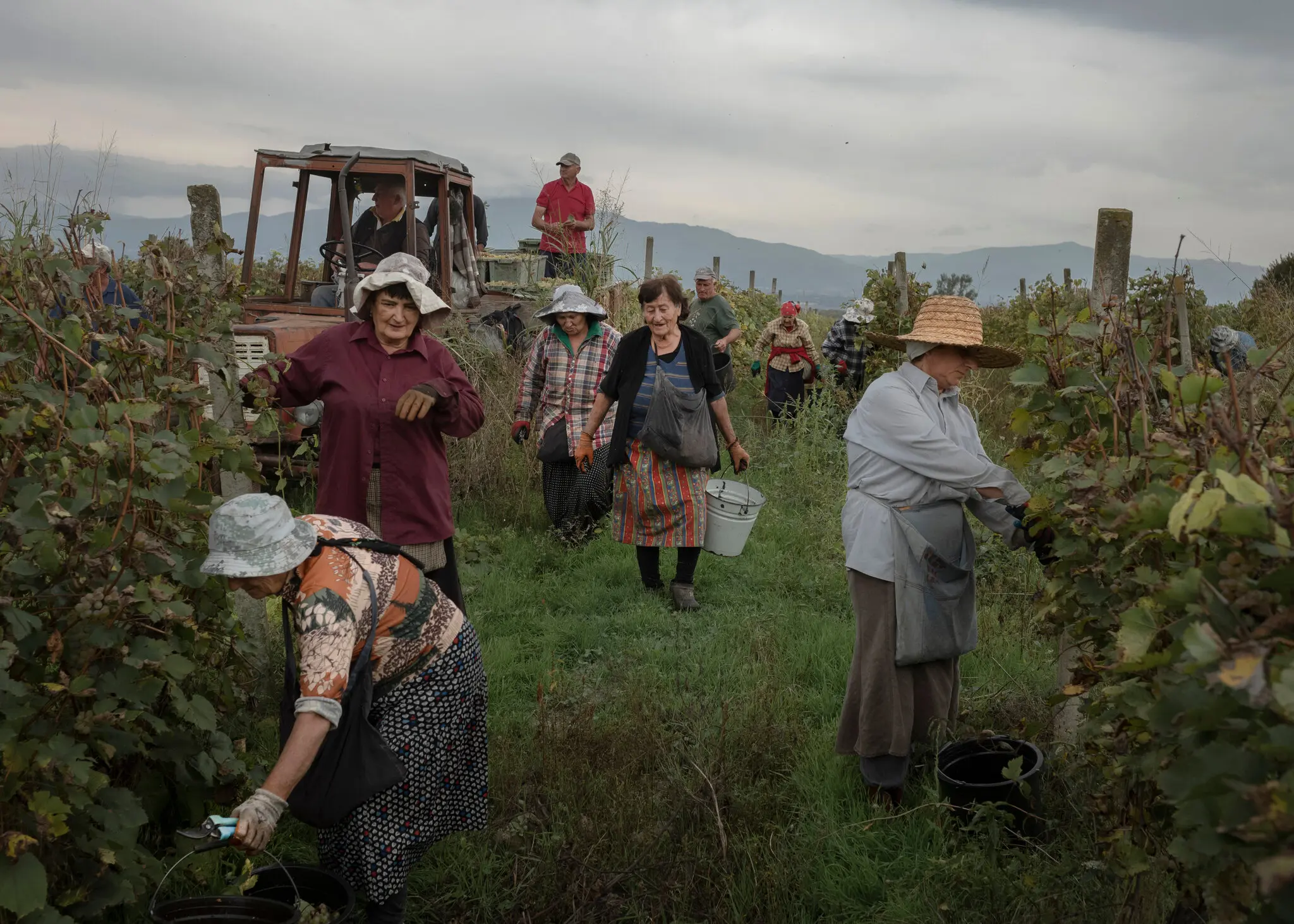
Stone winery fortress with qvevri vessels in Georgia.
StakeholderProducers
Case 01Producers

Georgian Family Wineries

The Problem

Small Georgian winemakers producing exceptional qvevri and European-method wines struggle to prove authenticity in export markets. Without verifiable origin data, they compete on price alone, losing the premium that their heritage and craft deserve. Counterfeit labeling further erodes trust in Georgian wine as a category.

How Terroir Solves It

Terroir gives each producer a digital product passport tied to their land, harvest, and process. Attestations from local certifiers and cooperatives build a verifiable trust chain that importers and consumers can audit with a single QR scan, turning heritage into a provable, premium-worthy credential.

Assurance

Why blockchain:

Immutable anchoring ensures that once an origin claim is made, it cannot be altered or forged, even by the platform itself.

Why open-source:

Open infrastructure means no single company controls a producer's trust data. Wineries own their provenance, permanently.

Wax seal on an official certification document.
StakeholderIssuers
Case 02Issuers

Certifiers & Appellation Bodies

The Problem

GI and PDO enforcement relies on paper-based inspections, manual record-keeping, and trust networks that don't scale. Certifiers lack tools to digitize their attestations, and fraud detection remains reactive rather than preventive. The integrity of entire appellation systems is at stake.

How Terroir Solves It

Terroir provides a Trust Registry where certified issuers can sign digital attestations linked to specific batches. Each attestation is timestamped, anchored, and publicly verifiable, creating a tamper-evident audit trail that strengthens GI/PDO enforcement at scale.

Assurance

Why blockchain:

Attestation hashes anchored on-chain create a permanent, auditable record that no party can retroactively modify.

Why open-source:

Open schemas allow any appellation body or national authority to adopt the system without vendor dependency.

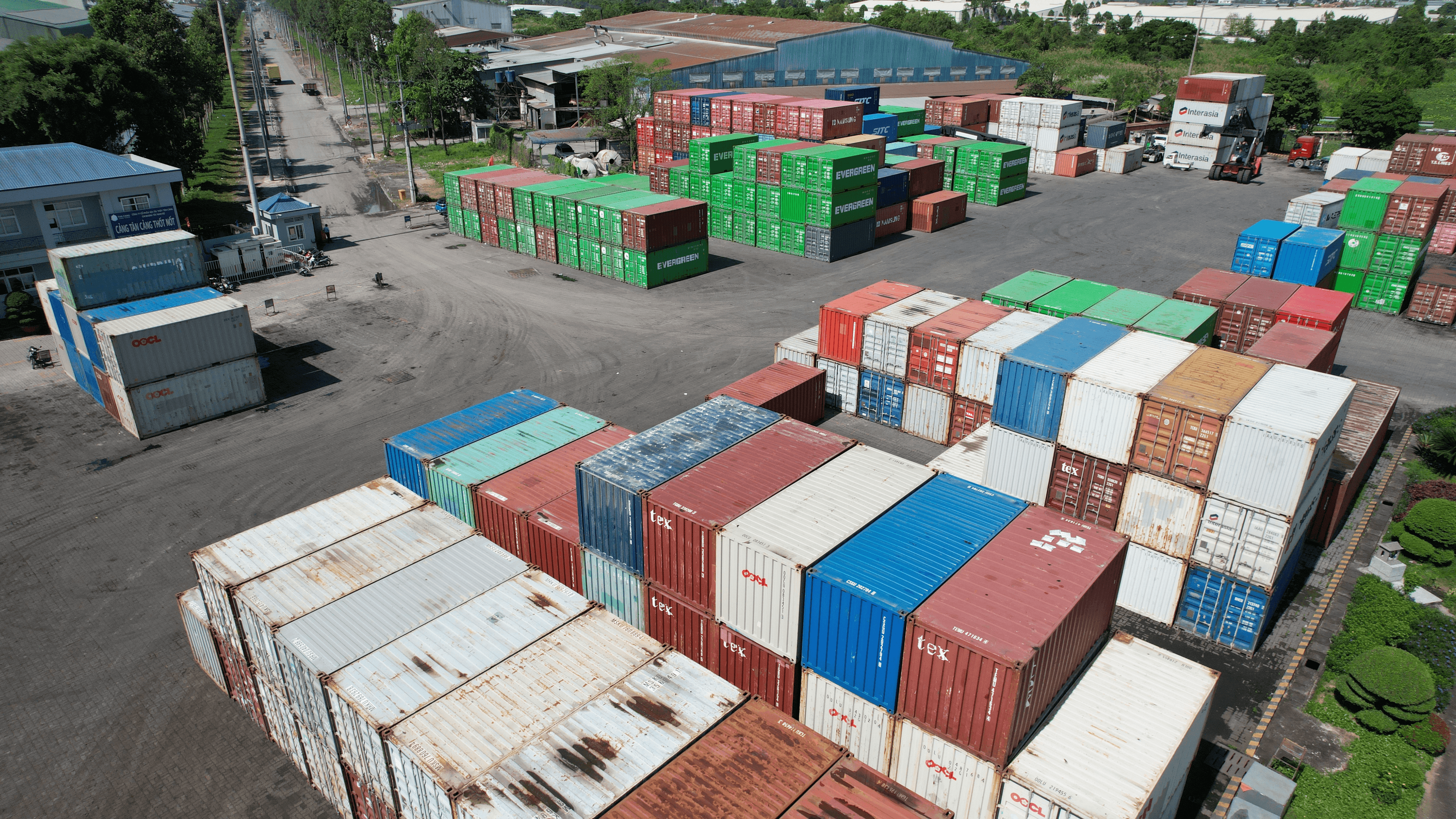
Container yard and logistics operations.
StakeholderImporters
Case 03Importers

Importers & Distributors

The Problem

Importers receive paper certificates that are easily forged and impossible to verify in real time. Disputes over origin, quality, and compliance create friction in supply chains, delaying shipments and eroding buyer confidence. There is no shared source of truth.

How Terroir Solves It

With Terroir, importers can verify the full provenance of any batch before purchase, from field to facility. Digital attestations replace paper certificates, and real-time verification reduces disputes, accelerates customs clearance, and builds long-term trust with retail partners.

Assurance

Why blockchain:

Distributors can independently verify claims against the on-chain record without relying on the producer's word alone.

Why open-source:

Open APIs enable integration with existing ERP, logistics, and compliance systems, no proprietary lock-in.

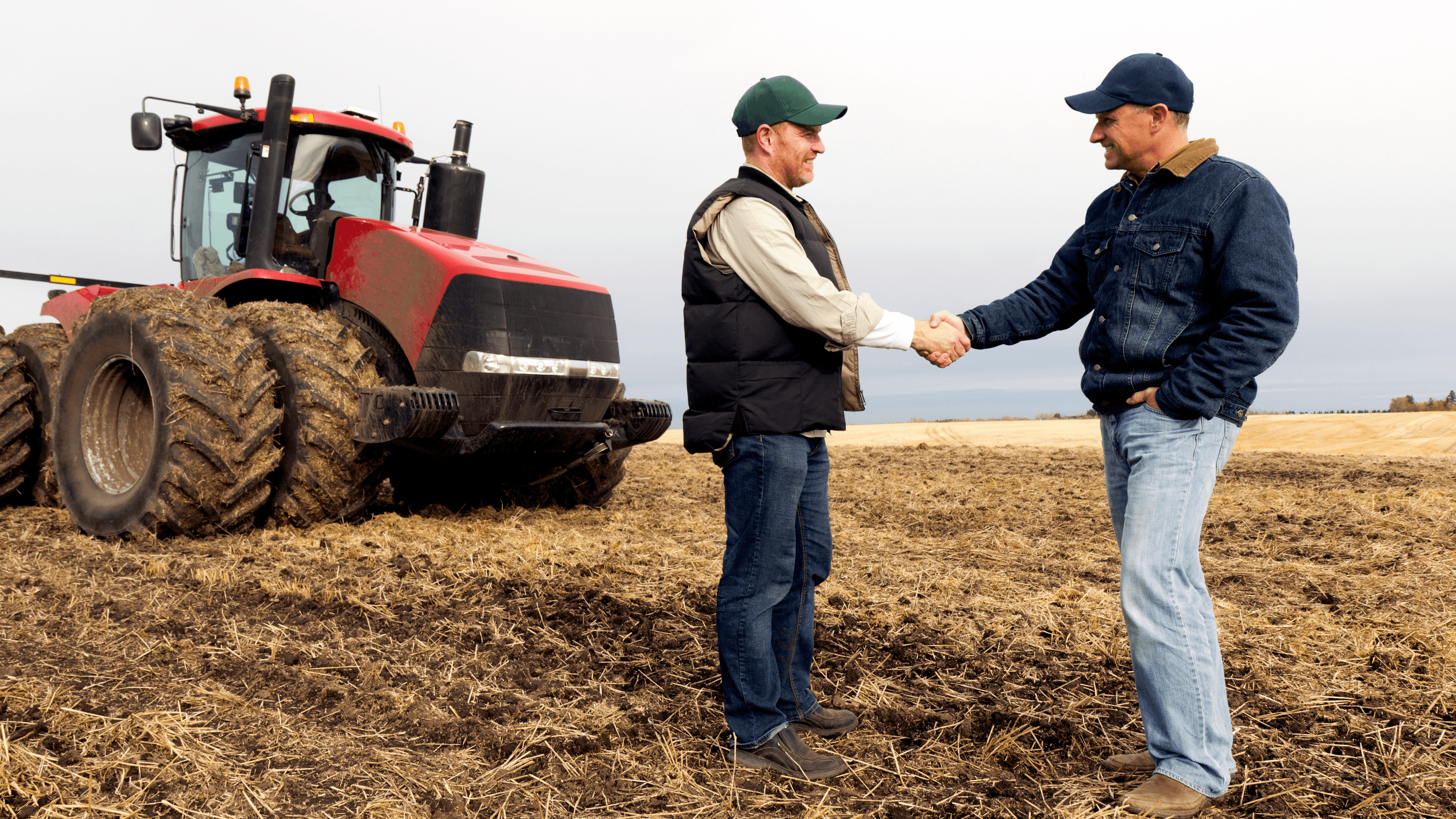
Farmers shaking hands near a tractor in a field.
StakeholderCooperatives
Case 04Cooperatives

Agricultural Cooperatives

The Problem

Cooperatives aggregate production from dozens or hundreds of smallholders, but lack shared infrastructure for traceability. Each member's data lives in isolation, making it impossible to present a unified, verifiable narrative to buyers and regulators. Market access suffers as a result.

How Terroir Solves It

Terroir provides shared trust infrastructure where each cooperative member maintains their own provenance records while the cooperative can aggregate, attest, and present a unified verification layer. Portable credentials mean members keep their data if they change cooperatives.

Assurance

Why blockchain:

Shared ledger infrastructure ensures that no single cooperative administrator can alter member records unilaterally.

Why open-source:

Cooperatives can self-host the platform, customize schemas to their commodity, and contribute improvements back to the ecosystem.

Global logistics illustration with ship, plane, and trucks.
StakeholderGlobal Expansion
Case 05Global Expansion

Future Global Categories

The Problem

Origin fraud is not unique to wine. Olive oil, honey, coffee, cocoa, tea, and spices all face rampant mislabeling, supply chain opacity, and consumer distrust. Existing traceability solutions are siloed, expensive, and designed for large enterprises, leaving smallholders in emerging markets behind.

How Terroir Solves It

Terroir is commodity-agnostic by design. Its reusable schemas, open APIs, and interoperable data models are built to extend beyond wine to any origin-dependent agricultural product. Early pilots focus on Georgian wine, but the architecture supports coffee in Ethiopia, olive oil in Tunisia, saffron in Afghanistan, and beyond.

Assurance

Why blockchain:

A shared, neutral trust layer allows producers across countries and commodities to issue verifiable claims without relying on any single authority.

Why open-source:

Open-source design ensures that emerging-market producers can adopt the system without licensing costs, and local developers can extend it for regional needs.

See how it works under the hood.

See the platformRead our whitepaper